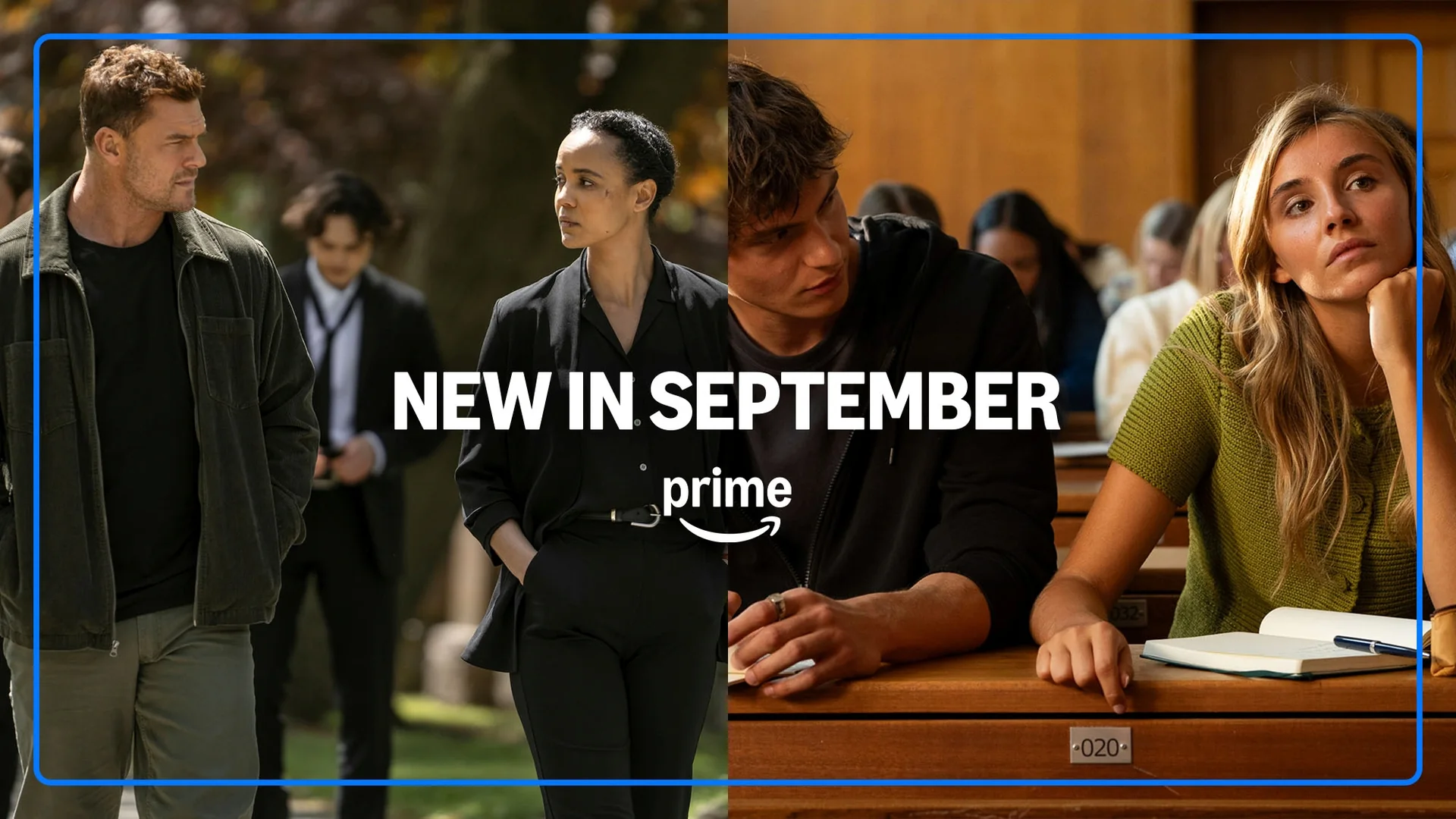
Prime Video’s September 2026 movie drop is unusually broad: glossy first-run romances sit beside Brian De Palma paranoia, John Carpenter horror, a modern boxing drama, and several comfort-movie staples. For most U.S. subscribers, the best starting points are The Runner for immediate thriller energy, Blow Out or The Thing for formally rigorous suspense, Chef for an easygoing group watch, and The Fire Inside once it arrives on September 24.
This guide was checked against Amazon’s U.S. September schedule on September 20, 2026. “New” here means newly available on Prime Video this month; several recommendations are older films returning to a subscription catalog. Availability can change, and Amazon’s interface also mixes Prime-included titles with rentals, purchases, and add-on channels, so the access checklist at the end matters.
The Shortlist: What Is Actually Worth Streaming Now
Our shortlist uses four filters: the movie must appear on Amazon’s September 2026 U.S. calendar; it must offer more than disposable background viewing; it should serve a recognizable audience or mood; and the group as a whole should show the range of cinema rather than repeat one genre. Critical reputation informs the choices, but no single aggregator score decides them.
| Movie | Prime date | Best for | Editorial read |
|---|---|---|---|
| The Runner | Sept. 2 | A tense weeknight thriller | A star vehicle whose running-clock premise should keep the storytelling lean. |
| Blow Out | Sept. 1 | Film-form obsessives | A political thriller in which recording, editing, and looking become the drama. |
| The Thing | Sept. 1 | Horror night | Claustrophobic ensemble tension and practical-effects craftsmanship that still bite. |
| Chef | Sept. 1 | A warm group watch | A generous road movie about work, appetite, and rebuilding family trust. |
| The Fire Inside | Sept. 24 | Character-led sports drama | More interested in the economic and emotional aftermath of winning than a standard victory lap. |
| Once Upon a Time… in Hollywood | Sept. 25 | A full evening | A loose, melancholy hangout with movie history in every corner. |
September’s first-run originals widen the menu rather than automatically outrank the library. Drawn Together targets romantic-thriller readers, while The Love Hypothesis arrives September 23 as a high-profile book adaptation. Their value depends heavily on taste. Meanwhile, familiar films such as The Edge of Seventeen and Death Becomes Her remain stronger bets for viewers who care about sharply defined performances and tonal personality.
The Prime Premieres With the Clearest Audience
Prime’s originals this month are easy to sort by appetite. One is a stripped-down pursuit thriller, one turns danger into romantic fantasy, and one brings a major romance-reader property to the screen. That clarity is useful: these movies are selling a particular kind of evening, not trying to satisfy every viewer.
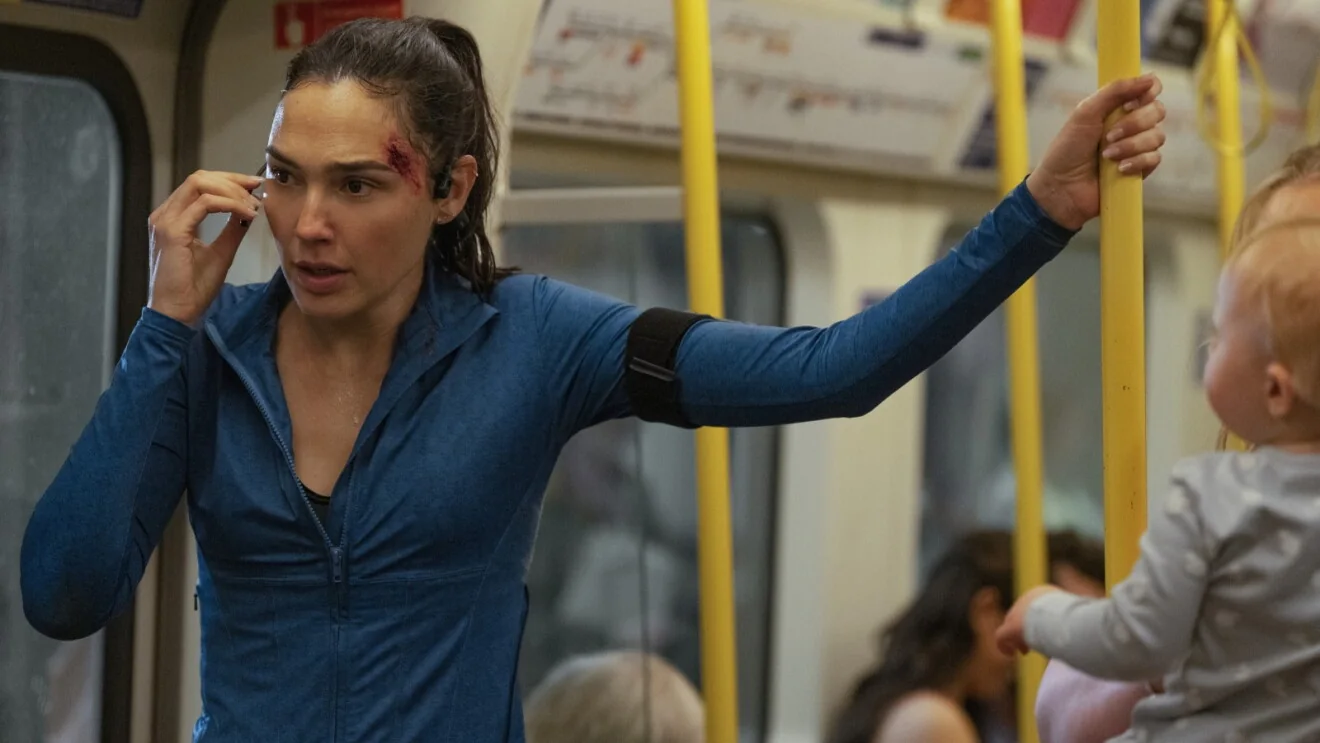
The Runner: A Star Vehicle Built on Forward Motion
The Runner, streaming since September 2, gives Gal Gadot a clean thriller engine. She plays Maia Marten, a high-powered London lawyer whose son is kidnapped during her morning run. The captors’ instruction is brutally simple: stay in motion, follow every command, and tell nobody. That setup puts pressure on geography, real-time decisions, and Gadot’s ability to communicate calculation while physically exhausted.
The premise suggests the movie’s best use is a focused weeknight watch. A pursuit story loses force when treated as second-screen content because every redirected route and hurried phone call may alter what the protagonist knows. It is also an efficient star vehicle: Gadot’s screen presence is built around poise under pressure, while the plot threatens to turn that control into panic. Viewers seeking intricate conspiracy mechanics may want to temper expectations; the more natural attraction is momentum and a parent’s escalating impossible choices.
Drawn Together: Glossy Romantic Suspense With Book-Fandom Expectations
Drawn Together arrived September 9 as the English-language presentation of a story drawn from Marfil, the first book in Mercedes Ron’s Enfrentados duology. Ester Expósito plays wealthy heiress Marfil Cortés, while Hugo Diego García plays Sebastian Moore, the enigmatic bodyguard assigned after a kidnapping. That combination announces its genre contract early: danger creates enforced proximity, and protection becomes the surface through which attraction develops.
Amazon reported that the film led its worldwide Prime Original film chart for September 7–13, ahead of The Runner. That ranking counts viewing accounts and covers a global window, so it should be read as evidence of reach, not a verdict on filmmaking. The editorial question is whether you enjoy heightened romance in which class privilege, trauma, and possessive protection are part of the fantasy architecture. Book readers may be especially alert to changes in characterization and pacing; newcomers can approach it as polished melodrama with thriller accents rather than a hard-edged kidnapping procedural.
The Love Hypothesis: The Month's Big Romance Bet
The Love Hypothesis is the title to plan for, rather than claim as available early. Amazon schedules it for a global Prime Video premiere on September 23. Lili Reinhart plays Ph.D. candidate Olive, Tom Bateman plays intimidating professor Adam, and the story turns an impulsive kiss into a mutually useful fake relationship. Claire Scanlon directs from Sarah Rothschild’s screenplay, adapted from Ali Hazelwood’s best-selling novel.
Fake dating is less a plot twist than a precision instrument: the audience understands where the arrangement will lead, so pleasure comes from timing, chemistry, and the gradual collapse of rules the characters thought would protect them. The academic setting also raises the tonal challenge of translating a beloved romance while keeping workplace power dynamics legible. Reinhart’s expressive openness and Bateman’s reserve make sense as opposing energies on paper. Readers should watch for how the film gives Olive professional agency beyond the romance and whether Scanlon keeps the comedy brisk enough to prevent the familiar framework from feeling merely diagrammed.
Library Arrivals That Deserve More Than Background Viewing
The deepest part of Prime’s September lineup is the September 1 library drop. These are not premieres, but “older” should not be confused with filler. The best of them are movies whose style carries meaning: sound, framing, makeup effects, comic rhythm, and performance reveal more than a plot recap can.
Blow Out and The Thing: Two Masterclasses in Suspense
Brian De Palma’s Blow Out follows a film sound-effects recordist, played by John Travolta, who believes he captured evidence of a political assassination. Criterion lists the 1981 film at 108 minutes and aptly frames it as both an American paranoia thriller and a reflection on moviemaking. The hook is not simply whether Jack can prove what happened. It is the unsettling act of turning fragments of sound and image into a story powerful people would rather erase.
That makes a decent television and good speakers more useful than casual familiarity with the plot. De Palma repeatedly asks the audience to listen, compare, and question the reliability of mediated evidence. The movie’s filmmaking machinery is visible, yet that visibility increases suspense because every edit can clarify truth or manufacture it. Travolta’s anxious concentration also offers a reminder of his range beyond the buoyant performances that made him famous.
John Carpenter’s The Thing runs almost the same length—109 minutes—but attacks certainty through bodies instead of recordings. Carpenter’s official site credits Bill Lancaster’s screenplay, Kurt Russell’s lead performance, Dean Cundey’s cinematography, and Ennio Morricone’s music, then places twelve men inside an Antarctic outpost during months of darkness. The alien threat can imitate its victims, transforming every shared room into a test of trust.
The film is an ideal concentrated horror night because its practical transformations are tactile while the real terror remains social. Carpenter isolates faces within the widescreen frame and lets suspicion spread before spectacle erupts. Pairing it with Blow Out creates an exceptional double feature: both movies concern men attempting to verify reality, and both understand that technical evidence cannot remove fear from human interpretation.
The Edge of Seventeen and Chef: Humane Comfort Movies With Sharp Edges
The Edge of Seventeen is a coming-of-age comedy for viewers who prefer teenage characters allowed to be abrasive, funny, selfish, and wounded at once. Writer-director Kelly Fremon Craig centers Nadine, played by Hailee Steinfeld, as her best friend begins dating her more socially successful brother. Woody Harrelson’s dry teacher and Hayden Szeto’s sweetly awkward classmate keep the film from locking itself inside Nadine’s perspective.
Its comfort comes from recognition rather than wish fulfillment. Craig has described the underlying feeling as the conviction that everyone else has life figured out, an insecurity that survives adolescence. Steinfeld’s performance makes Nadine’s bad decisions legible without sanding down their consequences. Choose it for a solo watch or with an older teen who appreciates candor; its emotional honesty works best when nobody expects a spotless role model.
Chef is warmer and more communal. Jon Favreau wrote, directed, produced, and stars as Carl Casper, a restaurant chef whose professional blowup sends him toward a food truck, a road trip, and a renewed relationship with his son. Universal lists a 115-minute runtime and an R rating for language and suggestive material, so the relaxed tone should not be mistaken for an all-ages designation.
The film’s pleasures are procedural: preparing a grill, assembling a sandwich, learning a new city, and letting repetitive work become shared language between father and son. Its early social-media details now feel like a time capsule, but the central argument has aged well. Creative recovery can begin with smaller stakes and closer attention. For a group that wants low conflict without complete blandness, this is September’s safest crowd-pleaser.
Death Becomes Her: Studio Comedy as Body-Horror Spectacle
Robert Zemeckis’s Death Becomes Her turns Hollywood anxiety about aging into a dark comedy of indestructible bodies. Meryl Streep and Goldie Hawn play rivals whose pursuit of eternal youth makes their vanity physically grotesque; Bruce Willis plays the increasingly desperate man trapped between them, and Isabella Rossellini supplies the potion with aristocratic menace. Universal lists the 1992 film at 104 minutes with a PG-13 rating.
The movie’s elastic necks, twisted torsos, and cosmetically maintained corpses were not empty novelty. Industrial Light & Magic identifies the film’s work as Academy Award-winning, and those effects give the satire a durable visual grammar: beauty is maintained by frantic repair while the self underneath continues to decay. Streep and Hawn match the technology with grand, deliberately artificial performances.
This is the month’s best camp selection and a particularly good watch with friends. Its meanness is stylized, its stars understand the joke, and its craft rewards a large screen. Viewers sensitive to body horror should know that the violence is played for macabre comedy, but the bodily distortions are central rather than incidental.
Two Late-September Arrivals Worth Planning Around
Two of the strongest catalog additions land after this guide’s verification date. Amazon schedules The Fire Inside for September 24 and Once Upon a Time… in Hollywood for September 25. They deserve a watchlist slot now, but their future dates should remain visible so nobody opens Prime expecting immediate playback.
The Fire Inside: A Sports Drama About the Cost After the Win
The Fire Inside dramatizes boxer Claressa Shields’s path from Flint, Michigan, to Olympic history, with Ryan Destiny as Shields and Brian Tyree Henry as trainer Jason Crutchfield. It is the feature directing debut of cinematographer Rachel Morrison, while Barry Jenkins wrote the screenplay. Those names suggest why the film looks beyond the mechanical uplift of training montage, competition, and medal.
The richer conflict begins when achievement fails to create equal security. Contemporary coverage highlighted how the story examines what comes after victory: recognition, sponsorship, money, and opportunity do not arrive evenly for a young Black woman in a sport whose commercial machinery was built around men. At 109 minutes and rated PG-13, it is accessible as a sports drama, but its real strength is structural. The triumph is not the final answer; it creates sharper questions about who gets to convert excellence into a sustainable life.
Once Upon a Time… in Hollywood: A Long, Luxurious End-of-Month Watch
Sony describes Quentin Tarantino’s Once Upon a Time… in Hollywood as a journey through changing 1969 Los Angeles with fading television actor Rick Dalton and his stunt double Cliff Booth, played by Leonardo DiCaprio and Brad Pitt. That summary provides the line of travel, but the movie’s appeal lies in detours: radio ads, neon, backlots, old television, driving, and the quiet awareness that one era of the industry is ending.
Set aside a full evening. This is a movie longer than two and a half hours that wants viewers to inhabit its rhythms before its threads tighten. DiCaprio makes insecurity both comic and painful; Pitt supplies deceptive ease; Margot Robbie’s Sharon Tate embodies a pleasure in moviegoing that complicates the film’s melancholy. Viewers who require constant plot advancement may find the middle indulgent. Film-history devotees and performance watchers are more likely to see the looseness as the point: a vanished Hollywood reconstructed as memory, fairy tale, and working environment.
Match the Movie to the Night You Actually Have
A recommendation becomes useful only when it accounts for the room. The “best” movie for a silent solo watch is not automatically the best movie for four friends talking over snacks. Prime’s September choices cover both ends of that spectrum.
Date Night, Solo Night, or a Crowd
- Date nightThe Love Hypothesis is the obvious new-release choice after September 23. For couples who enjoy danger with melodrama, choose Drawn Together.
- Focused solo watchChoose Blow Out with headphones or solid speakers. Its construction rewards attention to what the protagonist hears and how he edits evidence.
- Friends or family adultsChef is welcoming, while Death Becomes Her gives a livelier crowd something to laugh at, gasp at, and quote.
For horror fans, The Thing works in either a concentrated group or alone in a dark room; what it does not want is distraction. Families with younger children should choose carefully. Chef carries an R rating for language and suggestive material, Death Becomes Her is PG-13 with macabre imagery, and the adult thrillers are not substitutes for a dedicated kids’ selection.
Ninety Minutes of Energy Versus a Full-Evening Commitment
The library highlights mostly occupy a manageable feature-length band. Death Becomes Her runs 104 minutes, Blow Out 108, The Thing 109, and Chef 115. None is truly brief, but each has a defined dramatic engine. If energy matters more than comfort, start with The Runner; if atmosphere and conversation matter, Chef is easier to pause without destroying its tension.
Once Upon a Time… in Hollywood asks for a different contract. Its length and digressive form make it a full-evening event, ideally on the largest screen available. Do not squeeze it into a late start and then blame the movie for asking you to linger. The key choice is not “serious” versus “fun.” It is whether you want compression, sustained tension, or the pleasure of inhabiting a richly built world.
Before You Press Play: Prime Inclusion, Rentals, and Add-On Channels
Prime Video is both a membership library and a storefront. It also hosts separate subscriptions. The same search screen may therefore show a movie included with Prime, a rental, a digital purchase, a free-with-ads option, or access through another paid channel. Those labels describe different products even when the artwork is identical.
- Check the edition and year. Remakes, sequels, extended cuts, and dubbed versions can occupy separate tiles.
- Look for “Included with Prime.” A yellow rent or buy button means a separate transaction. “Start your subscription” points to an add-on channel.
- Confirm the U.S. region. Prime detail pages can redirect or change offers by location; a search result from another country is not proof of U.S. access.
- Inspect the future date. A calendar announcement can appear in search before the play button is active.
- Review audio, captions, and rating. Availability of dialogue tracks and accessibility features can differ by edition and device.
Amazon’s September guide says Prime Video is included with an Amazon Prime membership, listed at $14.99 per month or $139 per year in the U.S. as of September 20, 2026. It also advertises a 30-day trial, but trial eligibility and renewal terms depend on the account. A title included in a paid subscription should not be called “free,” and a Prime Video app listing does not automatically mean Prime membership covers it.
Catalogs rotate. The safest habit is to treat this list as a dated editorial map, then verify the badge when you are ready to watch. The immediate priority is Blow Out or The Thing for serious craft, The Runner for speed, and Chef for warmth. Add The Love Hypothesis, The Fire Inside, and Once Upon a Time… in Hollywood for their September 23–25 arrivals. That mix gives Prime Video a stronger movie month than its enormous alphabetical drop initially suggests.
Movie discussion
Comments
Sign in with Google to comment. Keep the discussion useful, film-focused and spoiler-aware. New comments are reviewed before publication.
Loading comments…